Every few seconds, someone around the world needs a blood transfusion. It might be due to an accident, during surgery, or even as part of cancer treatment. While medical innovations have led to everything from artificial limbs to devices that keep the human heart running, there’s still no true substitute for human blood.
The first successful blood transfusion took place in the 17th century, yet it wasn’t until the 1940s that The Red Cross created the first nationwide civilian blood program in the United States, a program that still provides “more than 40% of the blood products in this country.”
When I was young, I’d sometimes accompany my dad when he’d give blood at a blood center near our home in Kentucky. He donated regularly, regarding it like having the oil changed in the car; it’s just something you do. That influenced me to participate in blood drives in high school and college, and continuing to periodically donate as an adult.
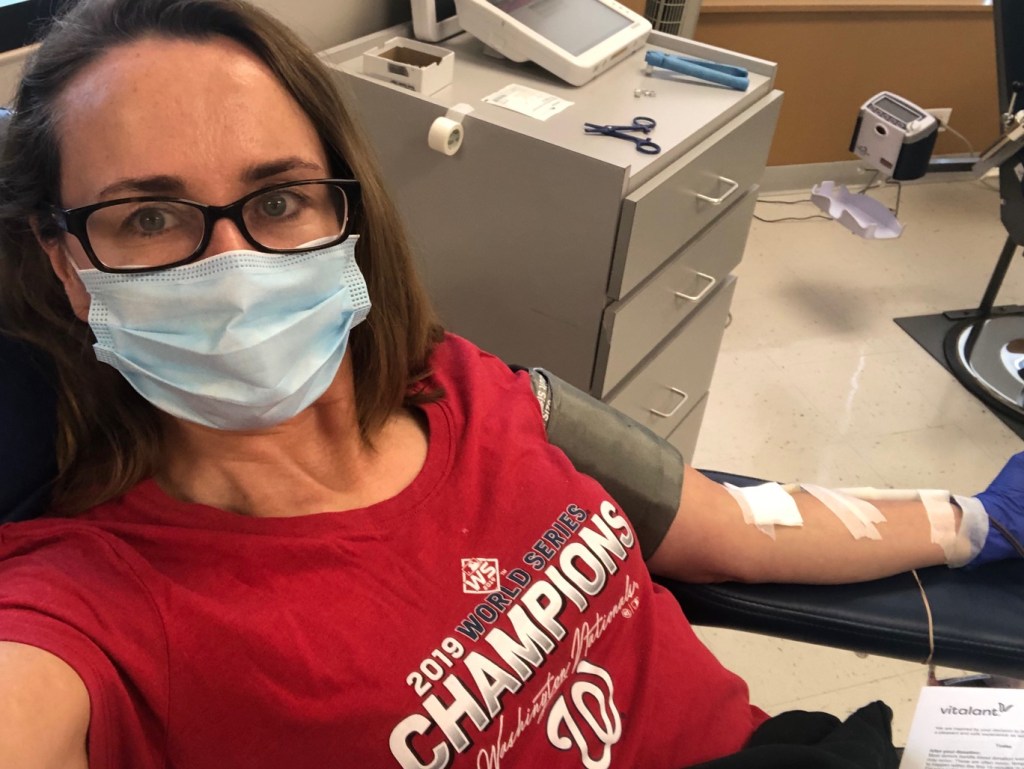
It wasn’t until the COVID-19 pandemic that I started to donate blood regularly. With schools and workplaces shut down, “there was an overall decrease in blood donations of 25%”, according to the NIH. I always knew my O- blood type was in high demand as it is compatible with every other kind of blood, but work, caregiving, and other obligations meant donating blood was not a priority for me.
Although the pandemic is a few years behind us now, the blood supply still hasn’t fully bounced back. Many college students and young adults today never had blood drives in schools, so donating blood is not top-of-mind for them.
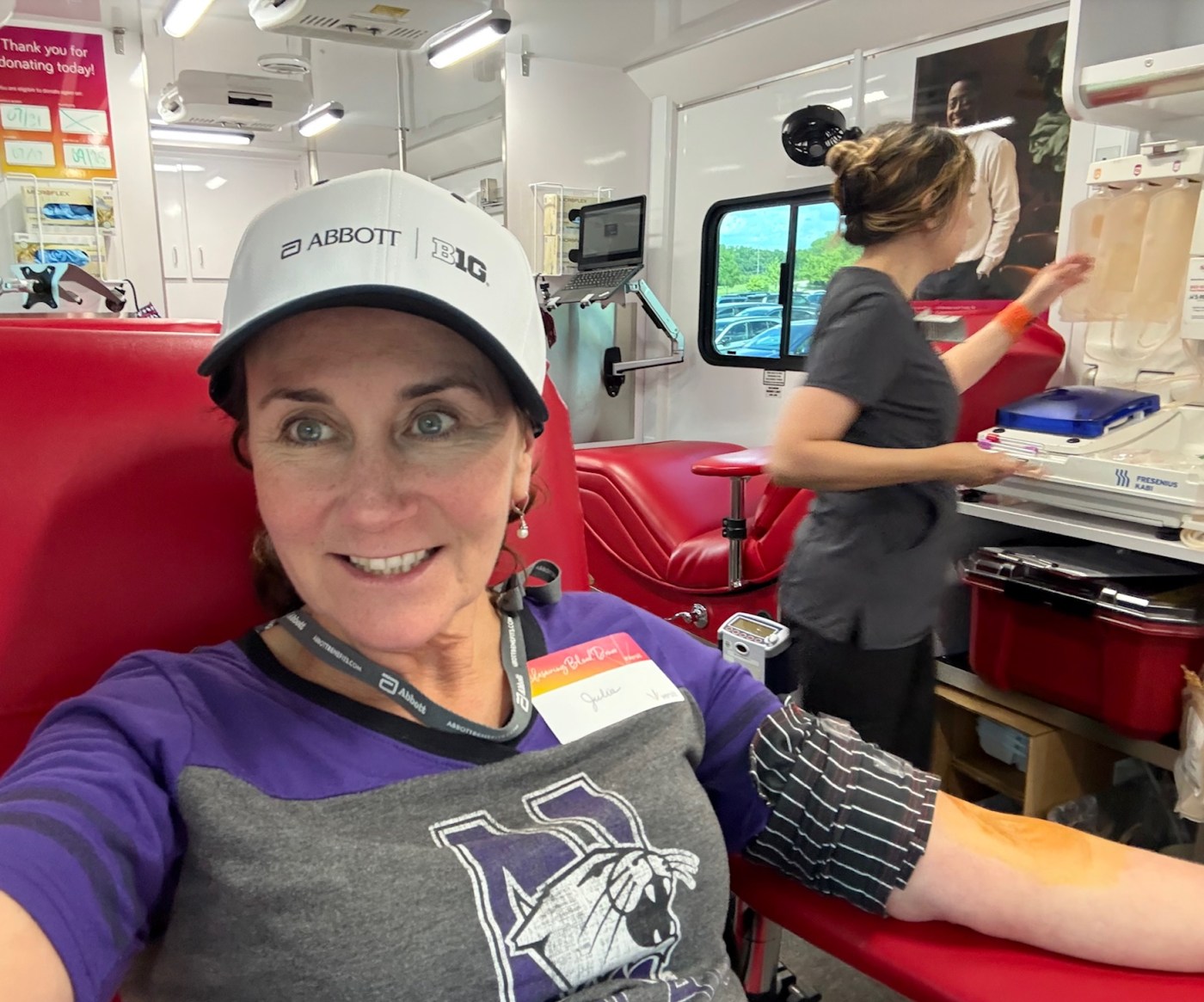
My workplace recognized that, and in partnership with the Big Ten Conference, Abbott launched the “We Give Blood” drive to work on changing that. The second year of the program kicked off in late August, and we’re hoping to bring thousands of new donors into the blood supply in the coming months and remind countless others of the importance of donating blood.
When you give blood, you’re paying it forward as you’ll likely never know the story of the stranger receiving your donation. And at any time, you or a loved one may need a stranger’s blood. It’s a reminder of our shared humanity; that you don’t need to know someone to care about them. Since one pint of blood can save up to three lives, it’s also an act of heroism that often goes unheralded.
Donating blood is safe and easy to do, but many people are ineligible to donate for various reasons, reinforcing the need for awareness among potential blood donors. Awareness days such as National Blood Donation Day on September 4, is a newer initiative by U.S. governors working to address the post-pandemic blood supply.
If you can donate blood, consider making it a habit. If you can’t, help spread the word to others. Sometimes, the most meaningful connections are the ones we never see.
 Language of Friendship
Leave a comment